


Your entryway is the first impression your home makes, and the right bench can say a lot. It’s not just a place to drop your keys — it’s the piece that sets the tone for everything else in your home. An entryway bench is also a multi-functional workhorse, offering a warm welcome, a smart storage solution, and a practical spot to welcome guests or pause before you dash out the door.
Scroll on as we share our tips for finding the perfect bench for your entryway, from measuring tips to answers to common foyer FAQs. By the end, you’ll have everything you need to make an informed selection, whether you’re shopping with us or elsewhere. Let’s get to it!
How a Bench for Your Entryway or Foyer Can Transform Your Home

Think about your entryway. It’s the first thing you see when you get home and the last thing you see when you leave. Without a little organization, it can quickly become a chaotic mess of shoes, bags, jackets and mail. A good bench or hall tree is the simplest fix, instantly bringing order, purpose, and a touch of style to the space.
Today is all about entryway benches, but this isn't just a piece of furniture — it’s a functional, versatile piece that more than earns its keep.
Key Benefits of an Entryway Bench
- A Place to Pause: It gives you a comfortable spot to sit and tie your shoes or help a child with theirs. Those little moments of convenience make a big difference in the daily hustle and bustle.
- A Functional, Organizational Hub: Many benches come with built-in cubbies, drawers, or hidden lift-top compartments. Suddenly, all those shoes, scarves, and dog leashes have a home instead of living on the floor.
- A Stylish Welcome: A bench anchors your entryway, giving it a focal point. It’s the first hint of your home’s personality, greeting guests the moment they step inside.
Market trends are showing that consumers are paying more attention than ever to making their homes both organized and beautiful. A decent part of that is a growth of interest in entryway furniture like benches and hall trees. This shows a real shift toward making these high-traffic areas more functional and inviting.
Find the Perfect Fit by Measuring Your Space
Finding the perfect bench for your entryway isn't just about what looks good. You have to think about the size of your space, along with what you’d like for it to do for your space. The right bench can completely change the feel of your entryway, making that first impression a great one.
Think of it like buying a great-fitting jacket for your home. When it's just right, it looks fantastic and feels effortless. Too big, and it clutters the whole area and makes it hard to move around. Too small, and it just looks out of place, failing to make the impact you wanted. Getting the measurements right is key to making sure your bench doesn't just fit — it actually improves the flow and feel of your entryway.
How to Measure for Your Entryway Bench
Before you start browsing, it’s time to break out that measuring tape. First, take a few minutes to measure the spot you have in mind. This is the single most important step to avoid the headache of a return or, worse, a bench that just doesn't work.
- Measure the Length: Figure out the total horizontal space you have along the wall. The trick here is to leave a bit of "breathing room" on both ends. A bench that's slightly shorter than the wall looks intentional and keeps the space from feeling cramped.
- Measure the Depth: How far can the bench stick out from the wall before it gets in the way? You need a clear path to walk through, which usually means leaving at least 30 to 36 inches of open space. Don't forget to check your front door's swing—it needs to open all the way without bumping into your new entryway bench.
- Measure the Height: The standard height for a bench seat is around 18 to 20 inches, which is comfortable for most people. If you plan to put the bench under a window or a piece of art, measure from the floor up to the bottom of the windowsill or frame to make sure it all lines up nicely.
This little bit of prep work ensures your new piece feels like it was custom-made for your home.
Entryway Bench Dimensions Cheat Sheet
To make it even easier, here’s a quick guide to help you match your entryway's size with the right bench dimensions.
|
Entryway Size |
Ideal Bench Length |
Recommended Depth |
Key Consideration |
|
Small/Narrow Hallway |
30 – 42 inches |
12 – 14 inches |
Focus on slim profiles to maximize walkway space. |
|
Medium Foyer |
48 – 60 inches |
14 – 16 inches |
A balanced size that offers ample seating without dominating. |
|
Large/Open Concept |
60 – 72+ inches |
16 – 18 inches |
Can accommodate a substantial, statement-making bench. |
This table is a great starting point, but always trust your own measurements first!
Choose a Bench with Smart Storage Solutions
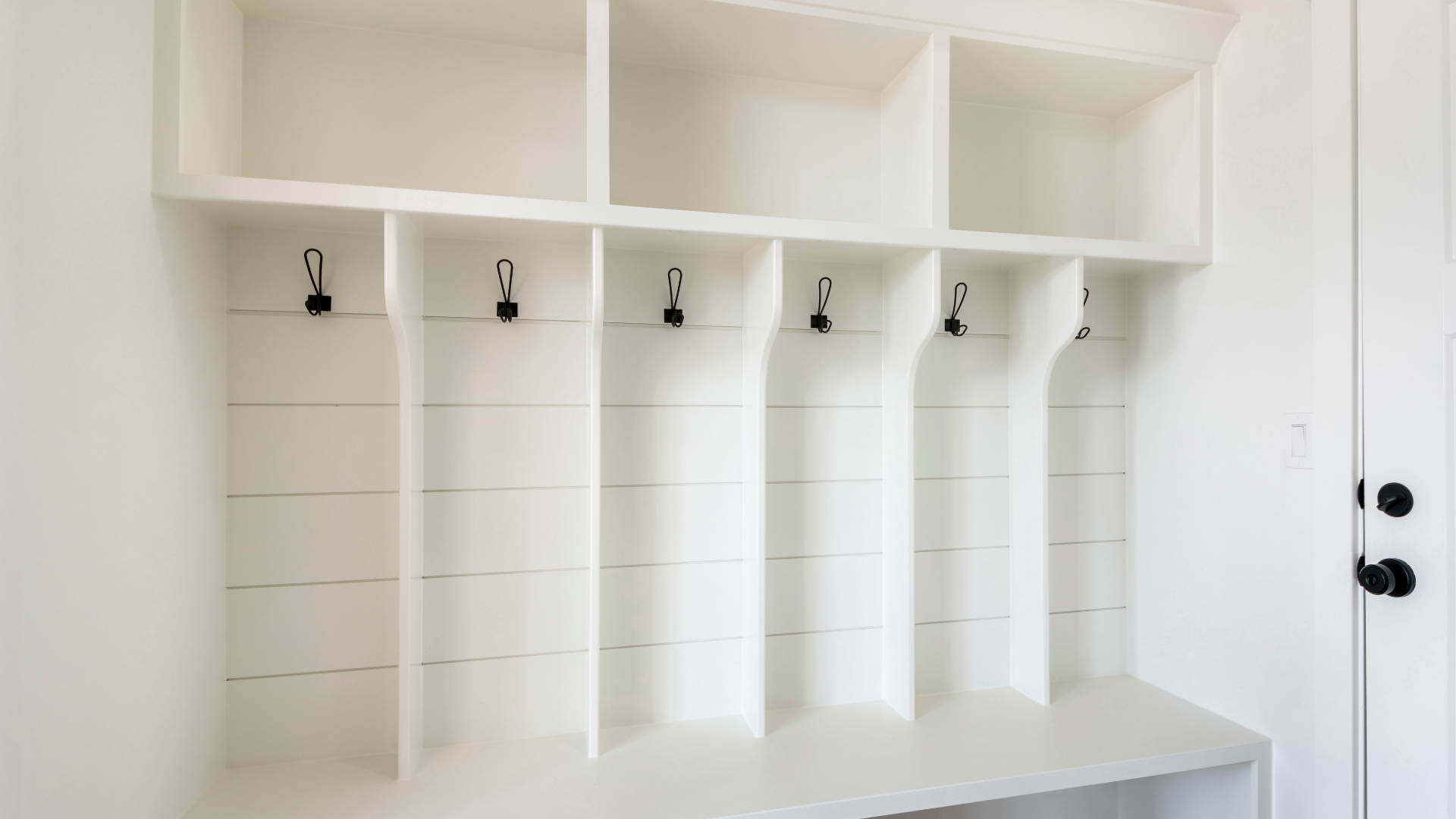
Now that you’ve got the approximate size you’ll need, it’s time to talk about function. Let’s be honest, the best entryway bench is more than just a place to sit — it’s the focal point for the busiest intersection in your home. A bench that doubles as an organizational piece can single-handedly tame the chaos that piles up by the front door, turning a drop-zone into a genuinely welcoming space.
This is where smart, multifunctional design really proves its worth. Think beyond a simple seat and imagine a piece with storage that fits your family’s daily rhythm. These benches are designed to make your comings and goings just a little bit smoother.
Types of Storage Benches for Every Need
The right kind of storage for your home really just depends on what tends to pile up in your entryway. Take a quick look. What are your main clutter culprits? Once you know that, you can pick a bench that solves the problem.
- Open Cubbies for Quick Access: These are perfect for the shoes you wear all the time. Cubbies get footwear off the floor and let them air out, which is a big win for busy households here in North Georgia.
- Drawers for Concealed Items: The perfect spot to stash mail, keys, wallets, and other small things you don't want sitting out. Drawers give you a clean, tidy look while keeping those essentials right where you need them.
- Lift-Top Seats for Hidden Storage: This is the ultimate hideaway for bulky items. Think backpacks, tote bags, or even off-season gear like winter hats and gloves. The whole seat lifts up to reveal a surprisingly spacious compartment.
Whether you need a simple shoe bench or a full-on hall tree, the right storage makes all the difference. The real goal is to find a piece that feels like it was made just for your life.
A Few Final FAQs About Entryway Benches
Picking out the perfect piece of furniture usually brings a few last-minute questions to mind. To help you feel totally confident in your choice, we've pulled together some of the most common things people ask us online and in our Metro Atlanta and North Georgia showrooms. These answers should clear up any lingering details and help make sure you bring home the right bench.
What Is the Best Height for an Entryway Bench?
For most people, the sweet spot for an entryway bench seat is somewhere between 18 and 20 inches high. This is the same height as a typical dining chair, so it’s comfortable for most adults to sit down and tie their shoes without feeling like they’re squatting or reaching.
The only exception would be if you're needing to tuck the bench under a window. In that case, just measure from the floor to the bottom of the windowsill and make sure to leave two or three inches of visual breathing room to make sure it fits cleanly. And if the bench has a back, think about how tall it will look in your space—you don't want it to overwhelm the wall.
How Much Space Should I Leave Around My Bench?
Your entryway needs to function as, well, an entryway! You need a clear path to walk through. Try to leave at least 30 to 36 inches of open floor space in front of the bench. This keeps the area from feeling tight and lets people move through easily, even with groceries, boxes or backpacks.
Don't forget to check your front door's swing! It should be able to open all the way without bumping into the bench. If your bench has drawers, doors or a lift-top, make sure you account for the room they'll need to open fully, too.
Can I Use an Upholstered Bench in a Busy Entryway?
Absolutely! The key is picking the right fabric. For pieces that you expect to get a lot of heavy use, we recommend performance fabrics engineered to stand up to heavy use, resist stains, and clean up easily. Additionally, benches made with removable cushion covers that can be machine-washed are yet another bonus for busy homes with kids or pets.

Is Open or Closed Shoe Storage Better?
This one really comes down to your lifestyle. Open cubbies are fantastic for grab-and-go access to your everyday shoes, plus they let wet boots air out. The downside? They can look a little messy if you're not tidy, and the cubbies can gather dust if not maintained.
On the other hand, a bench with closed cabinets or a lift-top lid keeps everything hidden away for a clean, streamlined look. Many people find a mix of both works best — cubbies for frequent daily pairs and a closed spot for other odds and ends.
Have More Questions? Looking for Entryway Benches? We’ve Got Solutions!
Whether you’ve still got more questions on furnishing your foyer, or you’re ready to embark on your entryway furniture shopping journey, we’d love to assist! If you’re still weighing your options, our team is ready and waiting to help you find that perfect piece.
Still deciding? Chat with us or bring your measurements to any of our North Georgia or Metro Atlanta furniture showrooms. If the right solution isn’t something we carry, we’ll gladly point you in the right direction. We hope to see you soon!