


Waking up with a sore back is a horribly frustrating way to start every day. In some cases, sleeping on an old or unsuitable mattress may be part of the problem. That is why so many mattress shoppers begin their shopping journey searching for the “best mattress for back pain.” In reality, the best answer to this question isn’t about one specific mattress brand. Rather, it’s about finding the right combination of support, comfort, and fit for your body and sleep style.
While it’s true that a mattress alone may not solve every cause of back pain or discomfort, sleeping on the wrong mattress can certainly be a contributing factor to your aches and pains. Meanwhile, the right mattress should promote better spinal alignment, reduce pressure in key areas, and improve your overall sleep comfort. For many sleepers, that can make a huge difference.
Looking for a mattress to help alleviate your back pain? Read on for everything you should know to get started.

Why Your Mattress May Be Affecting Your Back
Your mattress plays an important role in how your body is supported for many hours each night. For sleepers getting the recommended 8 hours per night, this sleep time actually accounts for 1/3rd of your life! If the mattress is too soft, too firm, worn out, sagging, or is otherwise no longer supportive, it may contribute to poor sleep posture and increased discomfort.
Over time, mattresses can lose support, develop body impressions, or feel less consistent than they once did. When that happens, your spine may no longer rest in a neutral position through the night. For many sleepers, that can lead to more stiffness, soreness, or pressure in the morning.
If your mattress is visibly sagging, feels uneven, causes you to toss and turn trying to get comfortable, or leaves you waking up less comfortable than before, it may be worth taking a closer look. For a deeper dive into the warning signs, don’t miss these 7 signs that your mattress may be past its prime.
Support vs. Firmness: What Really Matters?
To understand what you should be looking for when shopping for a mattress for back pain relief, you need to understand the difference between support and firmness. One of the biggest misconceptions in mattress shopping is that "support" and "firmness" mean the same thing. They do not.
Support refers to how well a mattress helps keep your body in alignment. A supportive mattress helps prevent heavier areas like the hips and shoulders from sinking too far and helps maintain a more neutral spinal position.
By contrast, Firmness describes how soft or firm the mattress feels when you first lie down. That surface feel comes more from the comfort layers near the top of the mattress.
This distinction matters because a mattress can feel soft on top and still be supportive underneath. On the other hand, a mattress can also feel very firm at the surface and still not provide the right kind of support for your body.
When shoppers are trying to find a mattress for back pain relief, the goal is usually not to find the hardest mattress possible. It is to find a mattress that offers the right balance of support and pressure relief for their body type and sleep position.
Why Extra-Firm Is Not Always Better
For years, consumers were told that a very firm mattress was always the best solution for back pain. In reality, that is not true for everyone.
A mattress that is too soft may allow the body to sink too deeply and throw the spine out of alignment. But a mattress that is too firm can also create problems by putting too much pressure on the shoulders, hips, or lower back and failing to contour where the body needs a little give.
For many sleepers, the best fit falls somewhere in the middle. For this reason, medium and medium-firm mattresses are often the best fit for many sleepers dealing with back pain and discomfort. Ultimately, the right feel depends on the person, not on some one-size-fits-all rule.
How Sleep Position Impacts Your Sleep Needs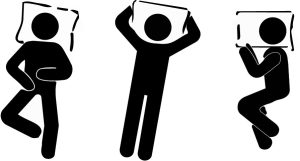
Sleep position plays a major role in what kind of mattress may feel most supportive and comfortable to you.
Side Sleepers usually need more pressure relief around the shoulders and hips so those areas can sink in enough to help keep the spine more level.
Back Sleepers often do well with a mattress that supports the lower back while still allowing some contouring through the body.
Stomach Sleepers generally need a firmer, more supportive surface to help prevent the midsection from sinking too far and putting extra strain on the lower back.
Meanwhile, the comfort and support needs for Combination Sleepers can be a toss-up since their sleep needs combine any of the two sleep positions above.
The key is not just mattress type, but how the mattress supports your body in your preferred sleep position. If finding the right mattress based on your sleep position is one of the biggest factors in your shopping decision, don’t miss our guide to sleep positions here.
Mattress Type Matters — But You Do Not Need to Start There
Different mattress constructions can create very different feels. Some shoppers prefer the contouring feel of memory foam, others prefer the bounce and support of innerspring, and many like the balanced, in-between feel of a hybrid mattress.
To understand how different mattress constructions work and which kinds of sleepers often prefer them, check out the helpful resources below:
- Innerspring vs Foam vs Hybrid Mattresses: Understanding 3 Key Mattress Types
- What Is a Memory Foam Mattress & How Does It Work?
- What Is an Innerspring Mattress & How Does It Work?
- What Is a Hybrid Mattress & How Does It Work?
For shoppers with back pain, the most important takeaway is that the right mattress is typically the one that gives your body the right mix of support, comfort, and alignment — it’s not simply a matter of choosing a mattress based on broad mattress categories.
Why Testing a Mattress in Person Still Matters
Lastly, remember that reading reviews and researching mattress types and materials can be quite helpful when searching for mattress solutions to your back pain. However, there is no substitute for actually trying out mattresses yourself.
Comfort is extremely personal. A mattress that feels supportive to one person may feel too firm, too soft, or just plain “off” to someone else. That is why lying on a mattress in person can be one of the most important parts of the process.
When trying mattresses in a showroom, be sure to:
- Lie down in your usual sleep position

- Spend at least a minute or two on each mattress that you’re considering
- Pay attention to how it makes your lower back, shoulders, and hips feel
- Ask yourself whether the mattress feels supportive without creating too much pressure
In some instances of back pain, an adjustable base may also be worth considering as part of the larger sleep setup. This is because elevating the head and/or legs can often help reduce tension, promote spinal alignment, and support a more comfortable, neutral resting position. Read more here to learn how an adjustable base can possibly help with your back pain.
Shopping for Mattress Solutions to Your Back Pain?
Finding a mattress for back pain relief is usually less about chasing one specific brand and more about understanding exactly what your body needs from a mattress. Support, comfort, spinal alignment, sleep position, and personal preference all play significant roles.
If your back hurts and your current mattress is worn out or no longer feels supportive, replacing it is certainly a helpful step in the right direction. Looking to compare a wide variety of mattress brands, constructions, firmness levels and other comfort options? Our sleep experts would love to help. To learn about all the mattress options we have available in a low-pressure, educational environment, come see us at any of our North Georgia and Atlanta area furniture and mattress stores.
For more helpful educational resources on common sleep disorders and sleep disruptors, check out the other articles in this series below:
- Sleep Disorders: What Are Sleep Disorders? And What Can We Do About Them?
- Sleep Disorders: Snoring, Sleep Apnea & What You Can Do About It
- Sleep Disorders: Practical Solutions for GERD, Acid Reflux & Heartburn
- Sleep Disorders: The Truth About Sleeping Hot
- The Science of Sleep, Part I: The Critical Importance of Getting Good Sleep
- The Science of Sleep, Part II: 3 Things Your Mattress MUST Do for You
- Sleep Factors: 3 Potential Barriers to Quality Sleep
- Sleep Factors: Poor Sleep Habits & How To Break Them
- Sleep Factors: The 5 Elements of Your Sleep Environment
- Sleep Factors: Vehicles for a Better Night's Sleep